
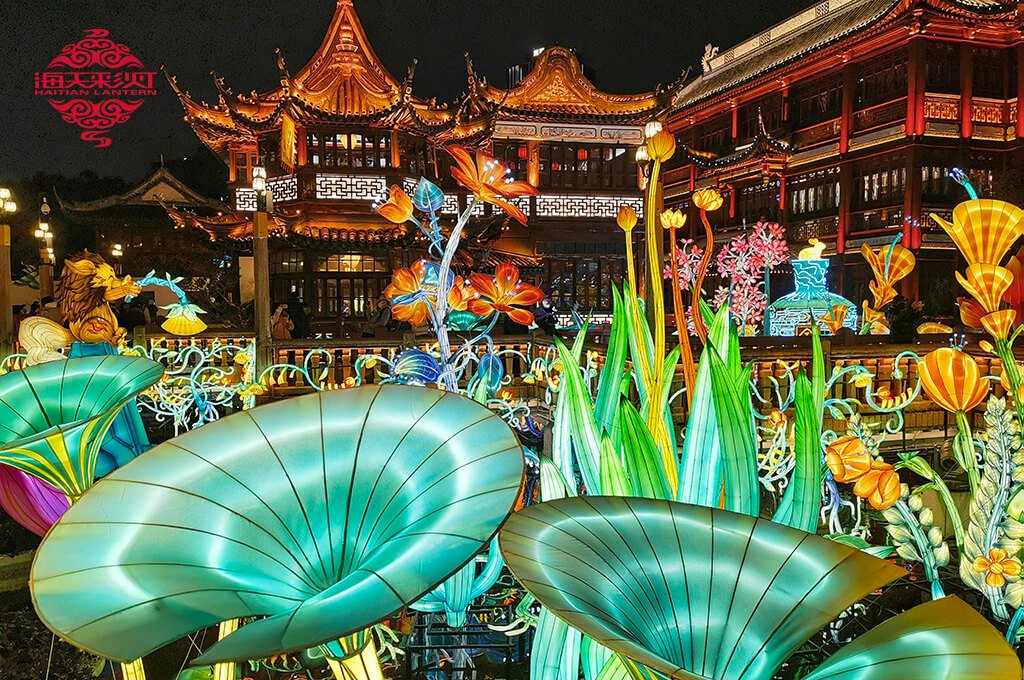
If you have never seen Chinese New Year in China, it is hard to explain. Streets glow red, firecrackers echo through neighborhoods, families pack into restaurants, and entire cities feel like one giant celebration. It is loud, warm, and a little chaotic, and that is exactly why it is unforgettable.
The catch is that not every city feels the same during the holiday. Some come alive with temple fairs and lantern shows, while others go quiet as millions of workers head home. Choosing the right destination is the difference between a magical trip and a frustrating one.
This guide covers the best places to visit in China during New Year, what makes each one special, and the practical tips that will save you time and stress.
When Is Chinese New Year 2027?
Chinese New Year follows the lunar calendar, so the date changes every year. In 2027, it falls on February 6, starting the Year of the Goat. The official Spring Festival holiday lasts about a week, but celebrations continue until the Lantern Festival, roughly 15 days later. Always double-check the exact holiday dates closer to your trip, since the government confirms the schedule each year.
Quick Picks: Where to Go at a Glance
| Your travel style | Best destination |
|---|---|
| Traditional festivals and temple fairs | Beijing |
| Modern lights and city energy | Shanghai |
| History and old-world atmosphere | Xi’an |
| Food, pandas, and relaxed vibes | Chengdu |
| Lantern displays | Nanjing |
| Scenery and milder weather | Yunnan (Kunming, Dali, Lijiang) |
| Fireworks and parades | Hong Kong |
| Winter wonderland | Harbin |
1. Beijing: Temple Fairs and Imperial Tradition
Beijing is the classic choice. During the Spring Festival, the capital hosts temple fairs (miaohui) at places like Ditan Park and Longtan Park, where you can nibble candied hawthorn, watch folk performances, and shop for lucky charms.
Why go:
- Traditional performances, lion dances, and street snacks
- The Forbidden City, Temple of Heaven, and Summer Palace
- A more authentic festive feel than you might expect
Local tip: Beijing gets quieter as many residents travel home, which means fewer crowds at major sights on some days. Keep in mind that firecracker rules are strict in the city center, so the sound of fireworks is limited compared with smaller towns.
Best for: First-time visitors and culture lovers.
2. Shanghai: Lights, Gardens, and Modern Celebration
Shanghai mixes old and new beautifully. The Yu Garden area is famous for its lantern displays during the festive period, with thousands of glowing shapes lighting up the traditional streets. Meanwhile, the Bund skyline provides a dazzling modern backdrop.
Why go:
- Yu Garden lantern show
- Cosmopolitan food scene
- Easy transport and plenty of English signage
Local tip: The Yu Garden area gets extremely crowded in the evenings. Go on a weekday, or arrive earlier than you think you need to.
Best for: Travelers who want convenience with their culture.
3. Xi’an: Walk Through 3,000 Years of History
Xi’an is one of the most atmospheric places to spend the holiday. The ancient city wall is decorated with lanterns, and the Tang Dynasty-themed shows and markets turn the city into a living history lesson.
Why go:
- Terracotta Warriors
- Cycling or walking along the city wall
- The Muslim Quarter for hand-pulled noodles and lamb skewers
Local tip: Winters are cold and dry. Pack warm layers, and try the local specialty roujiamo (a Chinese-style meat sandwich) to keep your hands warm.
Best for: History lovers and food fans.
4. Chengdu: Pandas, Tea Houses, and Slow Living
If you want the festival without the intensity, Chengdu is a great pick. The city has a famously relaxed personality, and its temple fairs at Wuhou Shrine and Dujiangyan are among the most beloved in the country.
Why go:
- Giant pandas at the research base
- Spicy Sichuan hotpot in cozy restaurants
- Tea-house culture and local opera
Local tip: Visit the panda base in the early morning when the pandas are most active and eating.
Best for: Families, foodies, and anyone who wants a gentler pace.
5. Nanjing: Lanterns at the Qinhuai River
Nanjing’s Qinhuai Lantern Festival is one of the most famous in China. Along the riverside near the Confucius Temple, elaborate lantern sculptures glow against the water, and the whole area feels like a scene from a painting.
Why go:
- Spectacular traditional lanterns
- The Ming Dynasty city wall and Confucius Temple
- Fewer international tourists than Beijing or Shanghai
Best for: Photographers and romantic evenings.
6. Yunnan (Kunming, Dali, Lijiang): Escape the Cold
While much of China shivers in February, Yunnan stays mild and sunny, which is why Kunming is nicknamed the “Spring City.” Dali and Lijiang add old towns, mountains, and ethnic minority culture to the mix.
Why go:
- Pleasant weather compared with northern China
- Ancient towns and Erhai Lake
- Rich cultural diversity
Local tip: Lijiang and Dali fill up fast during the holiday. Book accommodation well in advance.
Best for: Nature lovers and travelers who dislike winter cold.
7. Hong Kong: Fireworks, Parades, and Harbour Views
Hong Kong celebrates with style. Expect a night parade, a fireworks show over Victoria Harbour, and colorful flower markets in Victoria Park. Many traditional customs blend with the city’s international character.
Why go:
- Spectacular harbour fireworks
- Lunar New Year flower fairs
- Great food, from dim sum to street snacks
Local tip: Some smaller shops and restaurants close for the first few days, so check opening hours before planning meals.
Best for: Short trips and travelers who want a smooth, easy experience.
8. Harbin: The Ice and Snow World
For something completely different, head to the far north. Harbin’s Ice and Snow World features gigantic ice sculptures and glowing buildings carved from frozen blocks. It is bitterly cold, but stunning.
Why go:
- One of the largest ice festivals in the world
- Russian-influenced architecture
- Snow activities and hot pot to warm up
Local tip: Temperatures can drop far below freezing. Pack thermal layers, insulated boots, and hand warmers.
Best for: Adventurous travelers who love winter.
Honorable Mentions
- Hangzhou: West Lake looks elegant in winter, with temple visits and tea culture.
- Guangzhou: Famous for its flower markets, which are packed with blooming plants and lucky kumquat trees.
- Guilin and Yangshuo: Misty karst mountains and river views, though the weather is cool and damp.
Practical Tips for Traveling in China During New Year
1. Book everything early. Trains, flights, and hotels sell out weeks or even months ahead. Chinese New Year triggers the world’s largest annual human migration (known as Chunyun), so transport is extremely busy.
2. Expect some closures. Many small restaurants, shops, and family-run businesses close for several days. Major tourist sights usually stay open, but hours may change.
3. Avoid traveling on peak days. The days just before and after the first day of the new year are the most crowded on trains and roads.
4. Sort out payments before you arrive. China is largely cashless. Set up Alipay or WeChat Pay with an international card if possible, and carry some cash as a backup.
5. Download essential apps. A translation app, offline maps, and a VPN (if needed for your usual apps) make life much easier. Set these up before you land.
6. Check visa requirements. Entry rules change and vary by nationality, so confirm the latest requirements on the official embassy or consulate website well before you travel.
7. Dress for the region. Northern China is freezing, central China is chilly and damp, and the south and Yunnan are mild. Layers are your friend.
Foods You Must Try During the Spring Festival
- Dumplings (jiaozi): Especially in northern China; they symbolize wealth.
- Whole fish: Represents surplus and prosperity.
- Rice cakes (nian gao): A sweet or savory treat symbolizing growth.
- Spring rolls: Golden and crispy, often eaten for luck.
- Tangyuan: Sweet glutinous rice balls served at the Lantern Festival.
Etiquette Tips for Visitors
- Red envelopes (hongbao) with money are given for luck. If you are invited to a home, a small gift like fruit is appreciated.
- Say “Xin nian kuai le” (新年快乐), meaning “Happy New Year.”
- Avoid wearing all black or all white, as these colors are traditionally linked to mourning.
- Be patient in crowds. Everyone is excited, and smiles go a long way.
Frequently Asked Questions
What is the best city to visit in China during Chinese New Year?
Beijing is the best all-around choice for traditional festivities, while Shanghai suits travelers who want modern lights and easier logistics. Chengdu is ideal if you prefer a relaxed atmosphere.
Is it a good idea to travel in China during Chinese New Year?
Yes, if you plan ahead. The festive atmosphere is incredible, but transport is crowded and some businesses close. Book early and stay flexible.
Which part of China is warmest during Chinese New Year?
Southern regions like Yunnan, Hainan, and Guangdong are typically the mildest.
How long does Chinese New Year last?
The official holiday is about a week, but the celebration officially ends with the Lantern Festival on the 15th day.
Are tourist attractions open during Chinese New Year?
Most major attractions stay open, sometimes with adjusted hours. Smaller shops and restaurants may close for several days.
Final Thoughts
The best place to visit in China during New Year depends on what you want to feel. Beijing offers tradition, Shanghai offers sparkle, Xi’an offers history, Chengdu offers comfort, and Harbin offers pure winter drama. Whichever you choose, book early, pack smart, and arrive with an open mind.
Celebrating the Spring Festival in China is not just a holiday trip. It is a front-row seat to the most important family tradition in the country, and you will remember it long after you get home.
Ready to plan? Pick your destination, lock in your transport, and get ready for the trip of a lifetime. 新年快乐!
Note: Festival dates, event schedules, and entry rules can change, so verify details close to your travel date.
I can also put this in a Word or Markdown file if you’d like, or adjust the tone, length, or target country.

